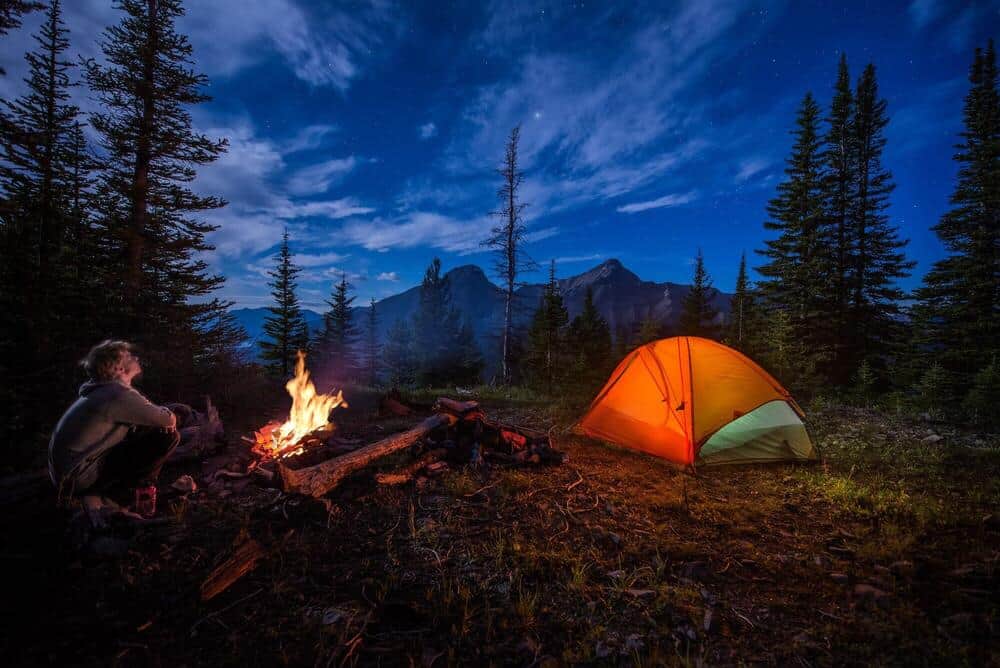
Boondock camping, also known as dispersed camping, is a form of outdoor recreation that offers unparalleled freedom and a closer connection to nature. Here we will explore the ins and outs of boondock camping, helping you embark on your own off-grid adventure.
Understanding Boondock Camping
Boondock camping is essentially dry camping without hookups, typically on public lands or dispersed areas. It’s a self-sufficient form of camping that often comes with the added benefit of being free.
However, it’s important to note that boondocking is not the same as overnight stays in parking lots or camping in developed campgrounds. This style of camping requires campers to be entirely self-reliant, bringing all necessary supplies including water, food, and power sources.
It offers a unique opportunity to experience nature in its most raw form, away from the amenities and crowds of traditional campgrounds. Boondocking challenges campers to be resourceful, mindful of their environmental impact, and prepared for various situations that may arise in remote locations.
Types of Boondock Camping
Dispersed Camping on Public Lands
One of the most popular forms of boondocking is camping on public lands, such as National Forests and Bureau of Land Management (BLM) areas. If you’re wondering what BLM camping is, it’s a great option for those seeking a more primitive camping experience. These areas often have minimal or no facilities, allowing campers to choose their own sites within certain guidelines. This type of camping requires adherence to specific rules and regulations designed to protect the land and ensure sustainable use.
Designated Dispersed Camping
Some popular areas have marked sites for dispersed camping, often with stay limits to manage usage. These sites offer a middle ground between completely undeveloped areas and formal campgrounds. They may have basic amenities like fire rings or picnic tables, but still lack hookups and other services found in developed campgrounds. Stay limits are typically enforced to prevent overuse and allow fair access for all campers.
Backcountry Boondocking
For the more adventurous, backcountry boondocking offers remote locations but requires additional preparation. This type of camping often involves hiking or off-road driving to reach isolated spots far from civilization. It demands a high level of self-sufficiency, outdoor skills, and emergency preparedness. Backcountry boondockers must be well-versed in navigation, wildlife safety, and leave-no-trace principles to ensure a safe and responsible camping experience in these pristine environments.
Essential Skills and Preparation
Resource Management
Successful boondocking requires efficient resource management. This includes water conservation techniques, power management (possibly using solar options), and proper waste disposal. Knowing how much water to bring camping is crucial for a comfortable experience.
Vehicle and Equipment Considerations
Choosing the right RV or vehicle for boondocking is essential. You might also want to consider what kind of generator for camping would best suit your needs. For boondocking, look for RVs with larger freshwater tanks, gray and black water holding tanks, and ample battery capacity. Solar panels are a great addition for off-grid power. Four-wheel drive or high-clearance vehicles can access more remote locations.
With regard to generators, consider factors like power output, noise level, and fuel efficiency. Inverter generators are popular for their quiet operation and clean power output, which is safe for sensitive electronics. Portable solar generators are another eco-friendly option, though they may have limited power capacity.
Remember, the goal is to be self-sufficient, so choose equipment that allows you to stay off-grid comfortably for your desired length of time without needing to resupply or recharge frequently.
Planning and Research
Before heading out, it’s important to research potential locations. Learning how to find BLM land near me can open up a world of boondocking opportunities.
Environmental Responsibility
Practicing Leave No Trace principles and managing waste while camping is crucial for preserving our natural spaces for future generations. This involves more than just packing out your trash; it’s about minimizing your overall impact on the environment.
Proper waste management includes disposing of human waste correctly, either by burying it in catholes or using portable toilet systems when required. It also means being mindful of gray water from cooking and cleaning, ensuring it’s properly filtered and dispersed. Leave No Trace principles extend to respecting wildlife, minimizing campfire impacts, and leaving natural objects and areas as you found them.
When boondocking, it’s especially important to be self-contained and prepared to manage all types of waste, as there are no facilities to rely on. By adhering to these practices, we ensure that pristine boondocking locations remain available and unspoiled for future campers to enjoy.
Benefits of Boondock Camping
Boondock camping offers numerous benefits, including cost savings, increased flexibility, and a closer connection to nature. The cost savings can be significant, as most boondocking locations are free or very low-cost compared to developed campgrounds. This allows campers to extend their trips or travel more frequently.
Flexibility is another key advantage; without the need for reservations or check-in times, boondockers can spontaneously choose their destinations and length of stay, adapting their plans to weather, crowds, or personal preferences.
Perhaps most importantly, boondocking provides an unparalleled connection to nature. Without the distractions of campground amenities or nearby campers, boondockers can fully immerse themselves in the natural environment. This often leads to a deeper appreciation for wildlife, natural landscapes, and the importance of conservation.
The solitude and quiet of boondocking sites also offer opportunities for reflection, relaxation, and a break from the constant connectivity of modern life. For many, this closer connection to nature is the most rewarding aspect of boondock camping.
Getting Started with Boondock Camping
For beginners, it’s recommended to start with shorter trips in more accessible locations before gradually increasing your self-sufficiency. Begin with weekend trips to established dispersed camping areas that are not too far from civilization. This allows you to test your gear, practice resource management, and build confidence without being too isolated.
Start by bringing more supplies than you think you’ll need, and take note of what you use and what you don’t. Gradually extend your trips and venture to more remote locations as you become more comfortable with boondocking practices. Join online forums or local groups to learn from experienced boondockers and get location recommendations. Consider practicing some camping skills in your backyard or a nearby campground before heading out to more isolated areas.
Remember, boondocking is about the journey of self-reliance as much as the destination, so don’t be afraid to start small and work your way up to longer, more adventurous trips.
Future of Boondock Camping
As boondock camping grows in popularity, it’s important to balance increased access with conservation efforts to ensure this form of camping remains sustainable.
By understanding the principles of boondock camping and practicing responsible outdoor recreation, you can experience the freedom and adventure that comes with this unique form of camping. Remember, the key to successful boondocking is preparation, respect for the environment, and a spirit of self-reliance.

Leave a Reply