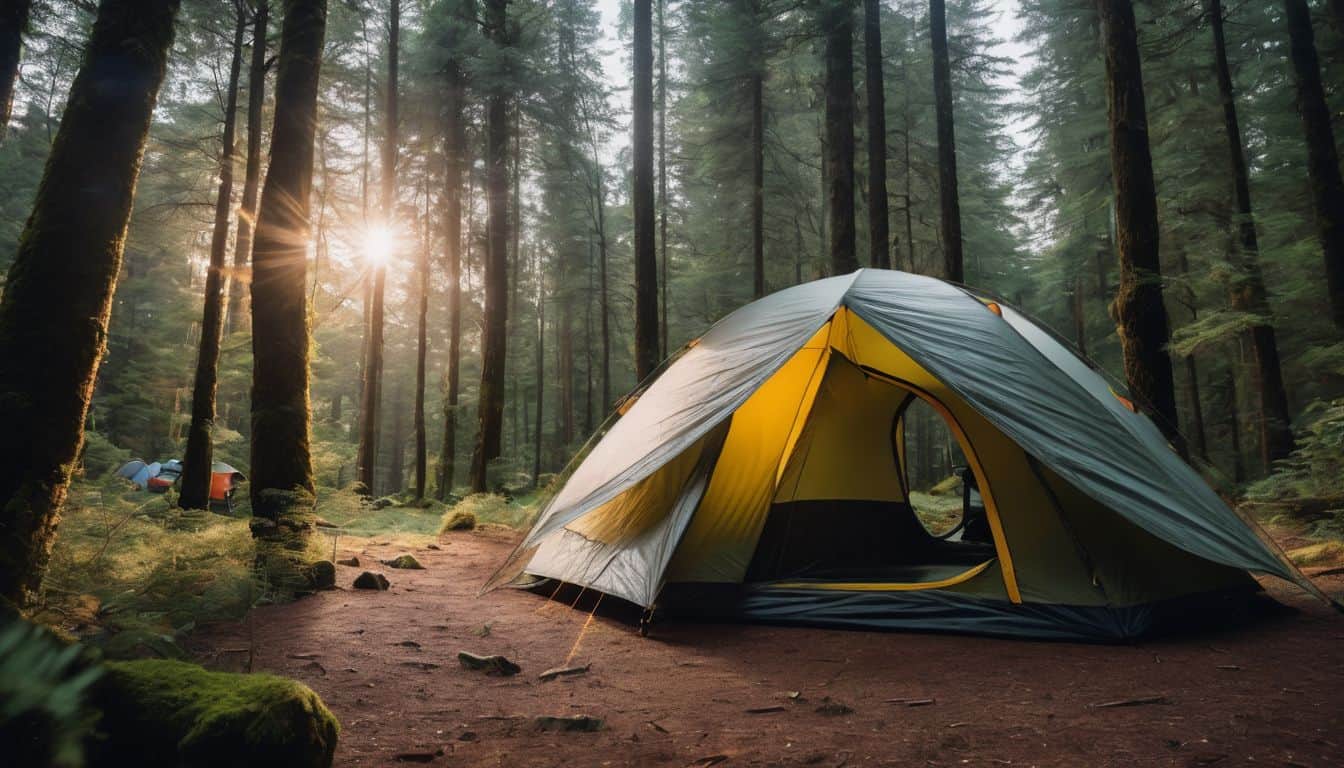
Choosing the right camping tent is crucial for a comfortable and enjoyable outdoor experience. Whether you’re planning a cabin camping trip or considering yurt camping, understanding the features and types of tents available is essential. This comprehensive guide will help you navigate the world of camping tents and make an informed decision.
Understanding Tent Types and Seasonality
Camping tents come in various styles, each suited for different purposes:
- Dome tents: Versatile and stable, these tents are popular for their excellent balance of interior space and weather resistance. Their curved design helps shed wind and rain, making them suitable for a variety of conditions. They’re relatively easy to set up and often lightweight, making them a good all-around choice for many campers.
- Cabin tents: Spacious with near-vertical walls, cabin tents offer maximum livable space and often stand tall enough to walk around inside. They’re ideal for family camping or those who prefer a more home-like feel. While they provide excellent comfort, they’re typically heavier and less suitable for windy conditions.
- Backpacking tents: Lightweight and compact, these tents are designed for hikers and backpackers who need to carry their shelter with them. They prioritize low weight and small packed size over spaciousness. Many feature advanced materials to keep weight down while maintaining durability and weather protection.
- Instant/pop-up tents: Quick and easy setup is the hallmark of these tents, which can often be pitched in under a minute. They’re great for casual campers or those who frequently move campsites. However, they may sacrifice some durability and weather resistance for the convenience of rapid setup.
| Tent Type | Description | Pros | Cons |
|---|---|---|---|
| Dome Tents | These tents have a simple structure, typically consisting of two or more poles that cross at the top and arch to the ground. | Easy to set up, generally lightweight, and offer good resistance to wind and weather. | Headroom is limited, especially towards the edges of the tent. |
| Cabin Tents | Cabin tents stand out for their vertical walls, resembling the structure of a cabin and maximizing interior space. | Ample space and comfort, often with room dividers and large windows. | Can be heavy, less stable in high winds, and often more complex to pitch. |
| A-Frame Tents | A classic design with two sloping sides that come together at the top, forming a triangular profile. | Simple and sturdy, with an iconic profile that sheds snow and rain efficiently. | Interior space is somewhat restricted, especially headroom. |
| Tunnel Tents | These tents feature a series of hoops that create a tunnel-like shape, offering separate rooms within the structure. | Great for groups, providing ample space and standing room. | Requires careful pitching to ensure stability and can be susceptible to strong winds. |
Each style has its strengths and is best suited to different camping scenarios, so consider your typical camping style when choosing.
When it comes to seasonality, most campers opt for 3-season tents, suitable for spring, summer, and fall. For winter camping or harsh conditions, consider 4-season tents.
Determining the Right Size and Capacity
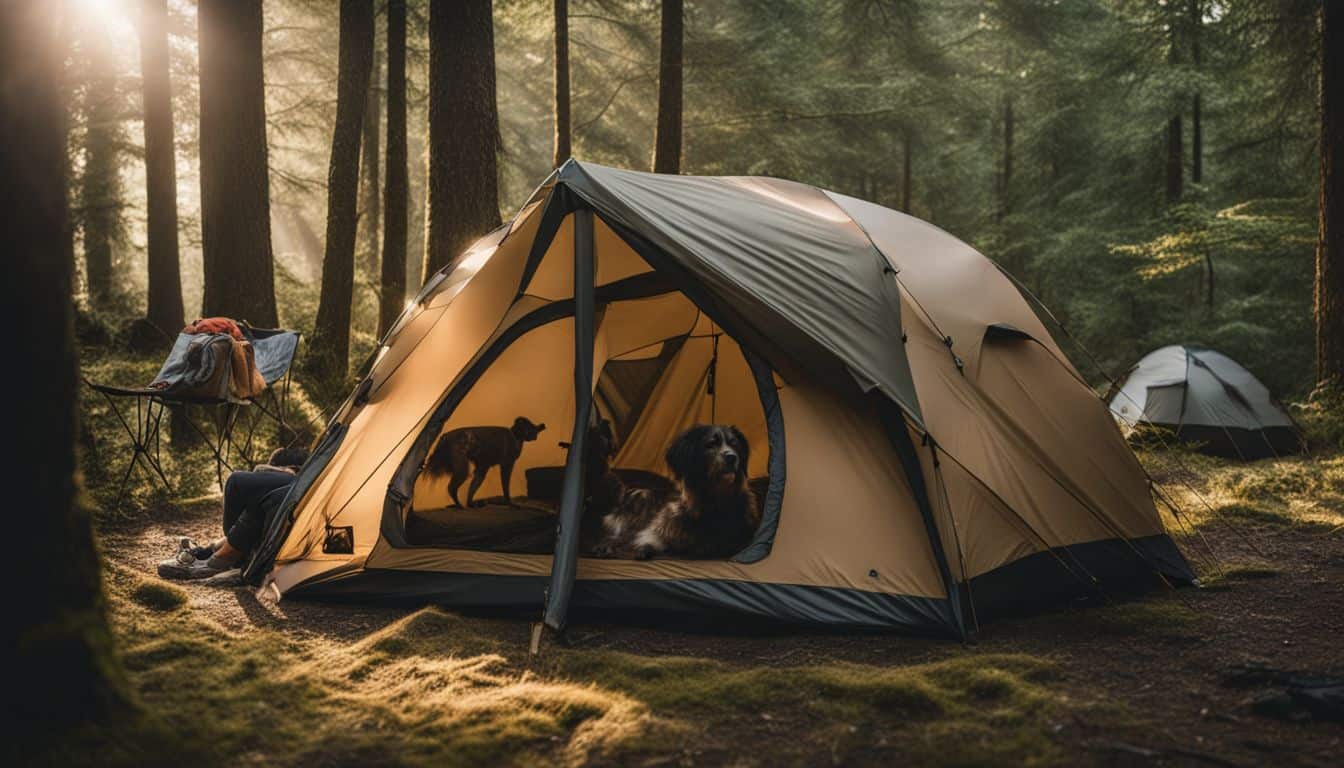
Tent capacity ratings can be misleading. As a rule of thumb, size up by one or two person capacities for comfort. Don’t forget to account for gear storage and consider the importance of headroom and floor space. Manufacturers typically base their capacity ratings on a tight fit, assuming minimal personal space and gear storage.
For a more comfortable experience, especially for longer trips, it’s wise to choose a tent rated for one or two more people than will actually be using it. This extra space allows for gear storage, changing clothes, and moving around without feeling cramped. Headroom is particularly important if you plan to spend time in the tent beyond just sleeping – look for peak height measurements and wall slopes.
Floor space dimensions are crucial too; consider the length if you’re tall or want extra room for gear at your feet. Remember, a spacious tent can significantly enhance your camping experience, especially in bad weather when you might be confined to your tent for extended periods.
Essential Tent Features
Materials and Construction
Look for durable fabrics like nylon or polyester with good waterproofing and breathability. Aluminum poles are typically lighter and more durable than fiberglass. The denier (D) rating indicates fabric thickness; higher numbers mean more durability but also more weight. Ripstop fabrics offer extra tear resistance. Check for sealed seams and a high hydrostatic head rating (ideally 1500mm or higher) for better waterproofing. Some tents feature a mix of solid fabric and mesh for a balance of privacy and ventilation.
Structural Elements
A full-coverage rainfly offers the best protection from the elements. Vestibules provide extra storage space, while multiple doors can improve access and ventilation. Look for sturdy zippers and reinforced stress points. Guy-out points allow for better stability in windy conditions. Some tents feature color-coded poles and clips for easier setup. The bathtub floor design, where the floor material extends up the tent walls, provides extra protection against ground moisture.
Interior Comfort and Organization
Interior pockets, gear lofts, and lantern hooks enhance livability. For family camping, consider tents with room dividers for privacy. Mesh storage pockets keep small items organized and easily accessible. Some tents feature electrical cord access ports for campsite power. A gear loft suspended from the ceiling can maximize floor space. Light-colored interiors can make the tent feel more spacious and brighten the interior during the day. For larger tents, look for features like an e-port for electrical cord access or even built-in LED lighting systems.
Evaluating Tent Performance
When assessing a tent’s performance, consider its weather resistance, including waterproofing ratings and wind resistance. Ease of setup is also crucial, especially for car camping trips where you might arrive at your site after dark.
Specialized Camping Considerations
For family camping, multi-room tents offer privacy and space. Backpackers should prioritize weight and packability. If you’re into extreme weather camping, look for reinforced structures and snow-shedding designs.
Tent Accessories and Add-ons
Don’t forget essential accessories like footprints to protect your tent floor, sturdy stakes, and guylines for stability in windy conditions. A footprint is a custom-sized ground cloth that extends the life of your tent by protecting it from abrasion and moisture. While many tents come with basic stakes, upgrading to more robust options can significantly improve stability, especially in challenging terrain. Guylines are crucial for maintaining tent shape and stability in wind; reflective guylines improve visibility at night, reducing trip hazards.
Consider a gear loft or additional storage pockets if your tent doesn’t include them. For comfort, a battery-powered fan can improve air circulation in hot weather. A repair kit with patches, seam sealer, and spare parts can be a lifesaver on longer trips. If you’re camping in buggy areas, a separate mesh screen room can provide a insect-free space for relaxing or dining. Lastly, a tent-specific cleaning kit will help maintain your tent’s performance and longevity.
Budget Considerations
While it’s tempting to opt for budget-friendly options, investing in a quality tent can save money in the long run. Consider your camping frequency and conditions when deciding on your budget.
Caring for Your Tent
Proper cleaning, storage, and maintenance can significantly extend your tent’s lifespan. Learn basic repair skills to handle minor issues in the field.
Environmental and Ethical Considerations
Consider tents made from sustainable materials and manufactured using ethical practices. Always follow Leave No Trace principles when camping.
Expert Tips for Tent Shopping
If possible, try setting up the tent before buying. Read user reviews and expert opinions, and understand the warranty and return policies.
Remember, the perfect tent for you depends on your specific needs. Whether you’re looking for the perfect sleeping bag to go with your new tent or considering more adventurous options like stealth camping, take the time to research and choose wisely.
By considering all these factors, you’ll be well-equipped to select a tent that will serve you well on many adventures to come. Happy camping!

Leave a Reply