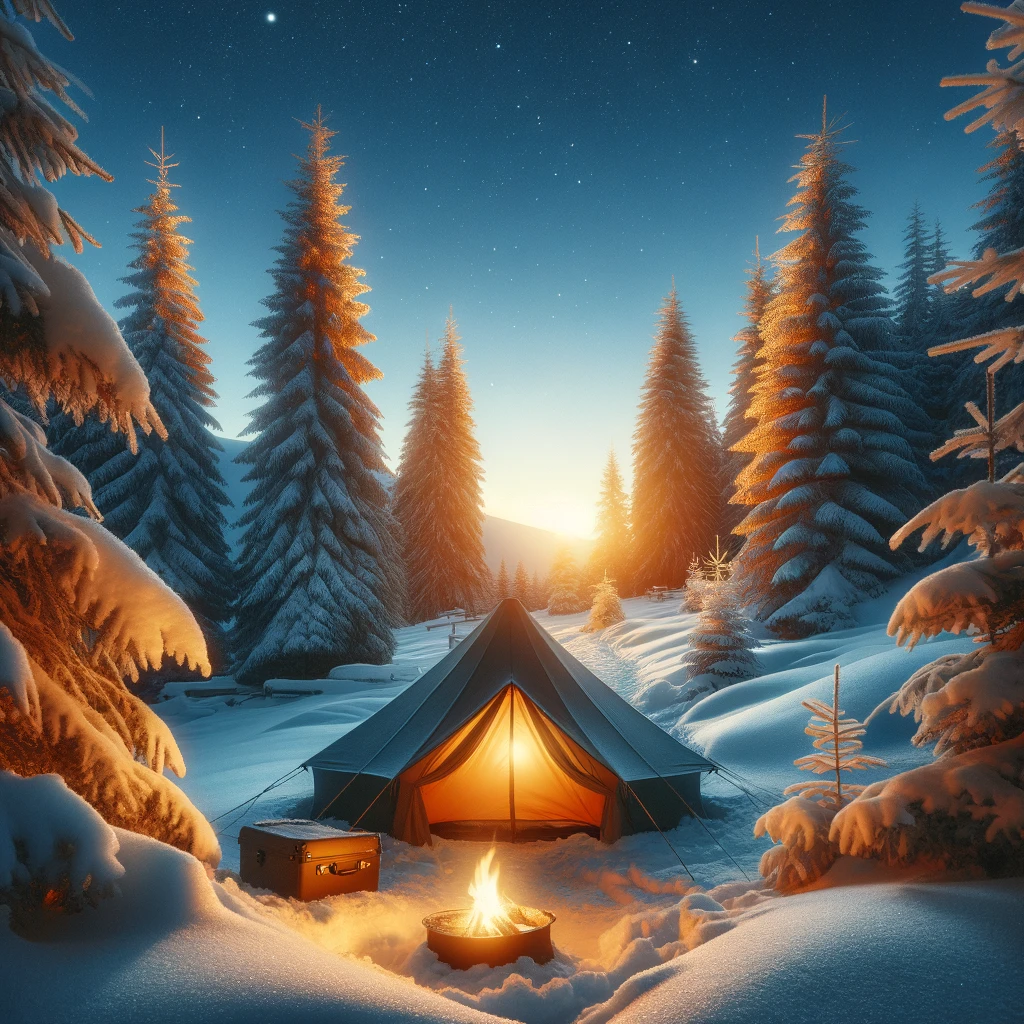
Winter camping offers a unique and serene experience, but staying warm is crucial for comfort and safety. The silent beauty of snow-covered landscapes and the crisp winter air can quickly turn from enchanting to dangerous if you’re not adequately prepared. Here, we cover essential strategies to keep you cozy during your cold-weather adventures, ensuring that your winter camping experience is not just survivable but delightful.
Choosing the Right Gear
Selecting a Suitable Tent
When it comes to winter camping, size matters. Smaller tents are generally better at retaining heat, as there’s less space to warm up. Look for four-season tents with features like double walls, sturdy poles to withstand snow loads, and a low-to-the-ground design to minimize drafts.
Consider tents with vestibules, which provide a space to store gear and shake off snow before entering the main sleeping area. Some winter-specific tents also feature internal guy-out points to increase stability in high winds and heavy snow loads.
Investing in a Proper Sleeping System
Your sleeping bag is your first line of defense against the cold. Choose a bag rated at least 10°F lower than the coldest temperature you expect to encounter. Remember, temperature ratings are usually for survival, not comfort. Down-filled bags offer excellent warmth-to-weight ratios but lose insulating properties when wet, while synthetic bags maintain some insulation even when damp.
Equally important is choosing the right sleeping pad for cold weather camping. Look for pads with high R-values, which measure insulation effectiveness. For winter camping, aim for an R-value of at least 5. Consider using two pads – a closed-cell foam pad directly on the ground for added insulation, topped with an inflatable pad for comfort.
Campsite Selection and Setup
Choosing the right spot for your tent can significantly impact your warmth. Look for natural windbreaks like rock formations or dense trees. Orient your tent with the door facing away from prevailing winds and towards the morning sun if possible. Creating additional windbreaks with tarps can further protect your campsite from chilling gusts.
When setting up your tent, take time to create a solid foundation. Pack down the snow where you’ll pitch your tent to prevent your body heat from melting the snow and creating an uneven, uncomfortable sleeping surface. If possible, dig a small trench around your tent to divert any melting snow away from your sleeping area.
Mastering the Art of Layering
Proper layering is critical to regulating your body temperature. Start with a moisture-wicking base layer to keep sweat away from your skin. Merino wool or synthetic materials like polyester are excellent choices. Add insulating mid-layers like fleece or down, and top it off with a waterproof and breathable outer shell.
Remember to change into dry, dedicated sleeping clothes before bed. Wearing damp clothes to sleep is a surefire way to get cold quickly. Your sleeping clothes should be loose-fitting for better circulation and trapped air for insulation.
Remember to protect your extremities. Wear a warm hat or balaclava to prevent heat loss through your head, and invest in quality winter gloves or mittens. Wear wool or synthetic socks, and consider using vapor barrier liners to keep your feet dry inside your boots.
Advanced Insulation Techniques
Boost your sleeping bag’s warmth with a liner or by draping a quilt over the top. A sleeping bag liner can add up to 15°F of warmth to your bag’s rating. A hot water bottle in your sleeping bag can provide hours of warmth. Fill it with hot (not boiling) water and wrap it in a sock or cloth to prevent burns. Place it near your core or at your feet for maximum effect.
Strategically place hand and toe warmers in your socks or gloves for extra coziness. These chemical heat packs can provide warmth for up to 8 hours and are especially useful for those prone to cold extremities.
Moisture Management
Condensation is your enemy in a winter tent. Proper ventilation is crucial – keep a small vent open to allow moist air to escape. In extreme cold, your breath can freeze and fall as “snow” inside your tent. Use a small towel or bandana to cover your mouth and nose while sleeping to catch this moisture.
Brush frost or snow off your gear before bringing it into the tent to minimize moisture inside. Store damp clothes and gear in a stuff sack and place it outside your tent or in the vestibule to prevent adding moisture to your living space.
Nutrition and Hydration for Warmth
Your body needs fuel to generate heat. Pack calorie-dense meals and snacks. Foods high in fat and protein provide long-lasting energy to keep you warm. Consider bringing nuts, cheese, and chocolate as easy, high-energy snacks.
Hot beverages warm you from the inside and help prevent dehydration, which is just as important in winter as in summer. Herbal teas, hot chocolate, and soup broths are excellent choices. Avoid alcohol, as it can impair your body’s ability to regulate temperature.
Physical Strategies for Generating Heat
Before bed, do some light exercises to warm up. Jumping jacks, sit-ups, or a short walk around camp can increase your body temperature. Just be careful not to work up a sweat, as damp clothes will quickly chill you.
Once in your sleeping bag, position yourself for optimal heat retention. The fetal position can help conserve body heat. If camping with a partner, consider zipping your sleeping bags together to share body heat.
Emergency Warmth Solutions
Always be prepared for the worst. Know how to create an emergency snow shelter if needed. Snow caves or quinzhees can provide surprisingly effective insulation in extreme conditions. Carry space blankets for their excellent heat-reflecting properties. These lightweight, compact blankets can be used to line your tent for added warmth or as an emergency outer layer.
Familiarize yourself with the signs of hypothermia and frostbite. Early recognition of these conditions can be life-saving. If you or a camping companion show symptoms, take immediate action to warm up and seek help if necessary.
Conclusion
Staying warm while winter camping is all about preparation, knowledge, and the right gear. Practice makes perfect: start with shorter trips in milder conditions before tackling more extreme winter camping adventures. Each trip will teach you something new about your gear, your body’s needs, and the winter environment. By following these strategies and learning how to make winter camping comfortable, you’ll be well-equipped to enjoy the beauty of the winter wilderness safely and comfortably.
Leave a Reply