• Skip to main content
  • Skip to primary sidebar
  • Skip to footer

CampingEssentialsAndMore.com

The Best Of Camping... Made Easy!

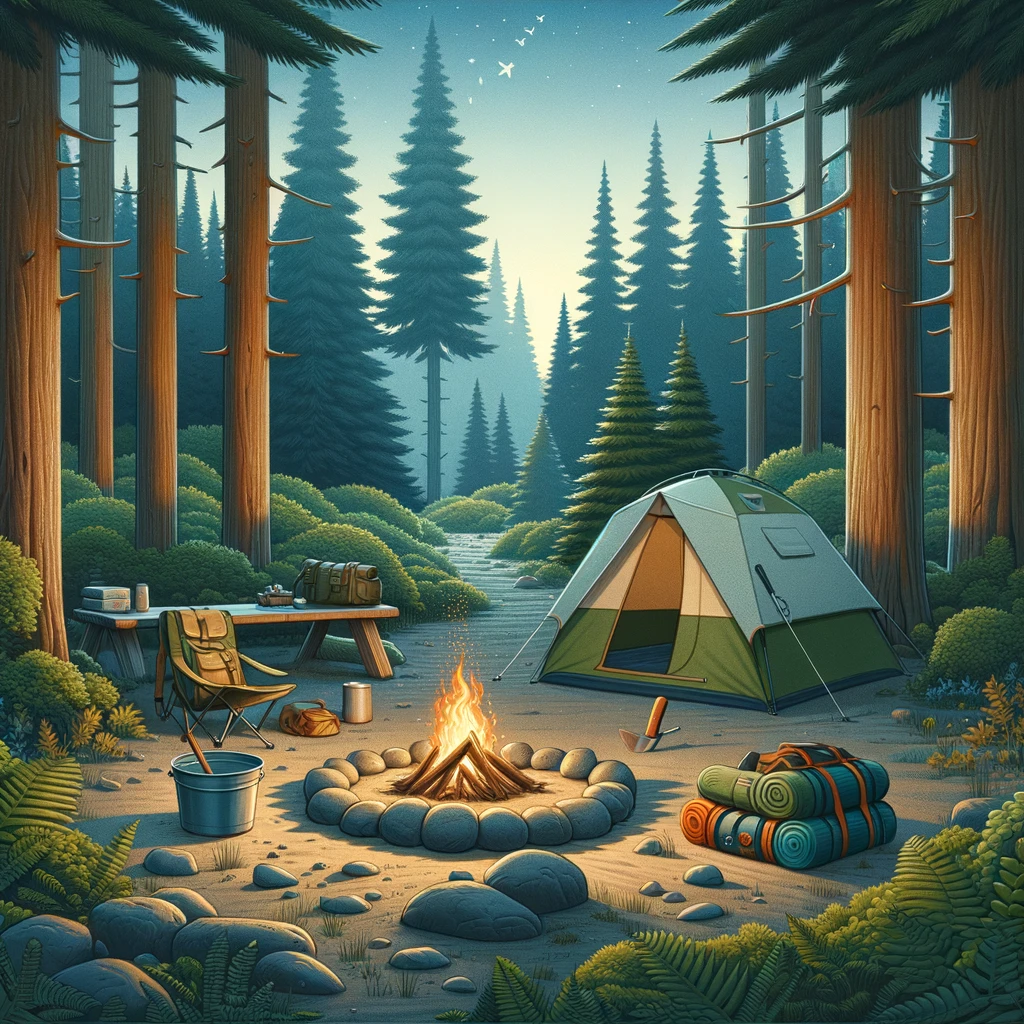
building minimal impact fire while dispersed camping

Building a Minimal Impact Fire While Dispersed Camping

September 26, 2024 by Anthony W Leave a Comment

This page may contain affiliate links. If you purchase something through my affiliate links, then I may earn a commission (which helps support this blog).

Dispersed camping offers a unique opportunity to connect with nature away from the confines of designated campgrounds. However, this freedom comes with the responsibility of preserving the environment we cherish. One of the most significant challenges in dispersed camping is managing campfires responsibly. This guide will explore the art of building minimal impact fires, ensuring your outdoor experience is enjoyable while minimizing your ecological footprint.

Table of Contents

Toggle
  • Assessing the Need for a Fire
  • Choosing the Right Location
  • Gathering Materials Responsibly
  • Fire Building Techniques for Minimal Impact
  • Fire Safety Measures
  • Fuel Efficiency and Conservation
  • Leave No Trace Principles in Fire Management
  • Seasonal Considerations
  • Alternatives to Traditional Campfires
  • Education and Skill Development
  • Extinguishing Fires Properly
  • Dealing with Existing Fire Impacts
  • Conclusion

Assessing the Need for a Fire

Before striking that match, it is crucial to evaluate whether a fire is necessary. Modern camping equipment often provides alternatives that can meet your needs without the environmental impact of a campfire. Portable stoves offer efficient cooking solutions, while lanterns can provide ample light and ambiance. However, if you decide a fire is essential, check local regulations and restrictions first. Many areas prohibit open fires during dry seasons or in ecologically sensitive locations.

Choosing the Right Location

Selecting an appropriate spot for your fire is paramount to minimizing impact. If you come across an existing fire ring, use it. This concentrates the impact in one area rather than creating new scars on the landscape. When no fire ring is present, choose a spot at least 200 feet away from water sources and trails. Look for a bare area free from overhanging branches and surrounding vegetation.

Gathering Materials Responsibly

Water sourcing strategies for dispersed camping are crucial, but so is responsible firewood collection. Gather only dead and down wood, avoiding the temptation to strip branches from living or fallen trees. Focus on wood with a small diameter, roughly wrist-sized or smaller. This ensures the fire burns efficiently and completely to ash, making cleanup easier and reducing long-term impact.

Fire Building Techniques for Minimal Impact

Several techniques can help minimize the impact of your campfire:

  • Mound Fire Method: Create a platform using a tarp or ground cloth, then build a 3-4 inch thick mound of mineral soil. Build your fire on this mound, which protects the ground underneath.
  • Fire Pan: Elevate a metal pan or old garbage can lid on rocks. This will contain the fire and ash, making cleanup straightforward.
  • Elevated Fire: In areas where soil disturbance must be minimized, create a platform of rocks or logs to elevate your fire off the ground.

Fire Safety Measures

Safety should always be your top priority. Create a fire break by clearing a 5-foot radius around your fire site of any flammable materials. Keep water, sand, or a shovel nearby for emergencies. Most importantly, maintain a manageable fire size – if you can’t control it, it’s too big.

Fuel Efficiency and Conservation

Build small, hot fires that burn efficiently. Use dry kindling and gradually add larger pieces of wood. Avoid creating bonfires, which waste resources and increase environmental impact. Burn all wood to ash, reducing the partially burned debris left behind.

Leave No Trace Principles in Fire Management

Adhering to Leave No Trace principles is crucial in dispersed camping. When extinguishing your fire, ensure all embers are completely out. Scatter cool ashes widely and naturalize the area by replacing any rocks or soil you may have moved. Pack out any unburned trash – never use your campfire as a garbage incinerator.

Seasonal Considerations

Fire practices must adapt to seasonal conditions. In dry seasons, consider forgoing fires altogether due to increased wildfire risk. Winter camping presents its own challenges, often requiring more skill to start and maintain a fire in cold, damp conditions.

Alternatives to Traditional Campfires

For those seeking the ambiance of a fire without the impact, consider alternatives:

  • Candle lanterns provide a warm glow without the need for wood.
  • Portable fire pits contain the fire and can be easily packed out.
  • Solar-powered lights offer illumination without any fuel requirements.

Education and Skill Development

As responsible campers, it’s our duty to educate others about proper fire building techniques. Share your knowledge with fellow campers, emphasizing the importance of fire safety and minimal impact practices.

Extinguishing Fires Properly

Properly extinguishing your fire is as important as building it correctly. Douse the fire with water, stir the ashes, and repeat until the entire fire site is cool to the touch. Remember, if it’s too hot to touch, it’s too hot to leave.

Dealing with Existing Fire Impacts

Sometimes, you may encounter areas impacted by irresponsible fire practices. Take the time to rehabilitate overused fire sites by naturalizing the area. If you encounter illegal fire rings, report them to land managers to prevent further damage.

Conclusion

Building a minimal impact fire is an art that balances our enjoyment of the outdoors with our responsibility as stewards of the environment. By following these guidelines, we can ensure that the beauty and integrity of our wild spaces are preserved for future generations.

Remember, the importance of campsite restoration post-dispersed camping cannot be overstated. It’s not just about the fire – it’s about leaving the entire area as pristine as you found it or even better.

We encourage you to share your minimal impact fire building techniques and join our community of responsible dispersed campers. Together, we can protect the wilderness we love while continuing to enjoy its beauty and solitude.

Filed Under: Dispersed Camping Tagged With: campfire safety and etiquette, camping tips, dispersed camping, leave no trace dispersed camping

Top-Rated Gear

Related Articles

winter camping wildlife watching

Winter Wildlife Watching: What to Look For While Camping

Winter camping offers a unique opportunity to witness nature in its raw, … [Read More...] about Winter Wildlife Watching: What to Look For While Camping

Cooling Strategies for Summer Camping

How to Beat the Heat: Cooling Strategies for Summer Camping

Summer camping offers a unique opportunity to connect with nature. Still, … [Read More...] about How to Beat the Heat: Cooling Strategies for Summer Camping

Seasonal Dispersed Camping: Tips for Every Time of the Year

Seasonal dispersed camping offers unique opportunities to experience nature … [Read More...] about Seasonal Dispersed Camping: Tips for Every Time of the Year

Reader Interactions

Leave a Reply Cancel reply

Your email address will not be published. Required fields are marked *

Primary Sidebar

Bestseller

LifeStraw Personal Water Filter 5 Star
Victoper Waterproof Tactical LED Flashlight
LcFun Plasma Arc Lighter Waterproof Windproof Rechargeable
Thermal Emergency Mylar Blanket
12-1 Hammer Multitool
HotHands Hand Warmer Value Pack
XTAUTO Lightweight Rechargeable Collapsible LED Camping Lantern
Stanley Perfect Brew Pour Over Coffee Maker
OCOOPA Magnetic Rechargeable Hand Warmers
Repel 100 Insect Repellent

Search

Recent Posts

  • Do I Need Biodegradable Soap for Camping?
  • Camping Essentials For Women (Don’t Forget The Wine)
  • What Is A Camping Vault Toilet?
  • How To Use CPAP While Camping
  • What Clothes To Pack For Camping
  • Backpacking 101: Essential Backpacking Tips for Beginners
  • Choosing The Best Suv Air Mattress
  • How To Choose The Best Back Seat Air Mattress
  • Quick and Easy Hot Dog Sauce: Classic Coney Island Chili Recipe
  • How to Shower While Camping
  • How to Wash Dishes Camping
  • How to Pack Eggs for Camping

Bestseller

OCOOPA Magnetic Rechargeable Hand Warmers
Repel 100 Insect Repellent
XTAUTO Lightweight Rechargeable Collapsible LED Camping Lantern
Thermal Emergency Mylar Blanket
LifeStraw Personal Water Filter 5 Star
Stanley Perfect Brew Pour Over Coffee Maker
LHKNL Rechargeable LED Headlamp Waterproof Motion Sensor
Victoper Waterproof Tactical LED Flashlight
LcFun Plasma Arc Lighter Waterproof Windproof Rechargeable
12-1 Hammer Multitool

Categories

  • Backpacking
  • Camping
  • Camping Gear
  • Camping Meals
  • Camping Tips
  • Camping With Cats
  • Camping With Dogs
  • Car Camping
  • Dispersed Camping
  • Glamping
  • National Parks
  • Sleeping Bags
  • Summer Camping
  • Tent Camping
  • Winter Camping
  • Yurts

Disclaimer:

The content provided on this blog, including articles, visuals, and other materials, is for educational and informational purposes only. It is not intended as professional advice of any kind, including medical, legal, or safety-related advice. We encourage you to consult with qualified professionals before making decisions based on the information provided here. The authors and administrators of this blog are not responsible for inaccuracies, errors, or omissions in the content nor for any actions taken based on the information provided in this blog.

Footer

  • Contact Us
  • Opt-out Preferences
  • Terms of Use and Service
  • Privacy Policy
  • Notice of Security
  • Comments Disclaimer
  • General Disclaimer
  • Copyright DMCA Violations Procedure
  • Disclaimer & Legal Rights
  • Business Address
  • Sitemap
  • As an Amazon Associate I earn from qualifying purchases.

© 2025 Profitable Results Marketing, LLC All Rights Reserved.

Manage Cookie Consent
To provide the best experiences, we use technologies like cookies to store and/or access device information. Consenting to these technologies will allow us to process data such as browsing behavior or unique IDs on this site. Not consenting or withdrawing consent, may adversely affect certain features and functions.
Functional Always active
The technical storage or access is strictly necessary for the legitimate purpose of enabling the use of a specific service explicitly requested by the subscriber or user, or for the sole purpose of carrying out the transmission of a communication over an electronic communications network.
Preferences
The technical storage or access is necessary for the legitimate purpose of storing preferences that are not requested by the subscriber or user.
Statistics
The technical storage or access that is used exclusively for statistical purposes. The technical storage or access that is used exclusively for anonymous statistical purposes. Without a subpoena, voluntary compliance on the part of your Internet Service Provider, or additional records from a third party, information stored or retrieved for this purpose alone cannot usually be used to identify you.
Marketing
The technical storage or access is required to create user profiles to send advertising, or to track the user on a website or across several websites for similar marketing purposes.
  • Manage options
  • Manage services
  • Manage {vendor_count} vendors
  • Read more about these purposes
View preferences
  • {title}
  • {title}
  • {title}