• Skip to main content
  • Skip to primary sidebar
  • Skip to footer

CampingEssentialsAndMore.com

The Best Of Camping... Made Easy!

Campfire Safety & Etiquette

Campfire Safety & Etiquette

April 7, 2025 by Mike Leave a Comment

This page may contain affiliate links. If you purchase something through my affiliate links, then I may earn a commission (which helps support this blog).

Campfire safety and etiquette are essential skills for anyone venturing into the great outdoors.

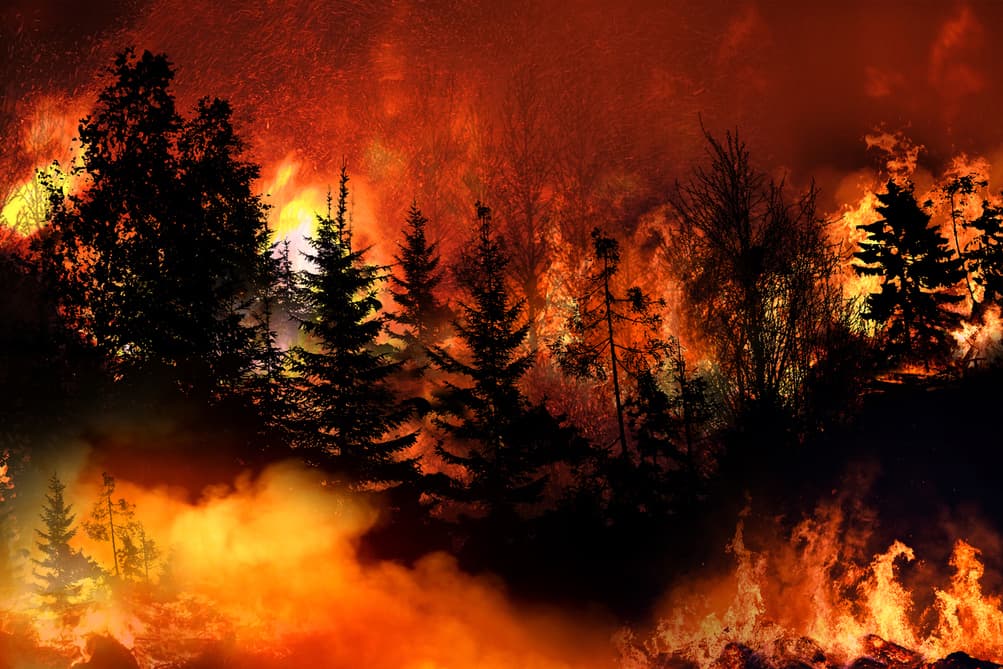
A properly managed campfire creates unforgettable memories, while an improperly handled one can lead to devastating wildfires, property damage, and even loss of life. Understanding campfire safety protocols isn’t just about following rules—it’s about protecting yourself, others, and the natural environment you’ve come to enjoy.

The perfect campfire experience balances critical safety measures with practical knowledge about fire management. From selecting an appropriate site to properly extinguishing every ember, each step of campfire safety requires careful attention and adherence to established best practices that outdoor enthusiasts have refined over generations.

Whether you’re researching how to build your first safe campfire or seeking to improve your existing outdoor fire skills, mastering campfire safety and etiquette ensures your wilderness adventures remain enjoyable while preserving natural spaces for future explorers to discover.

Key Takeaways

  • Always select a flat, open area at least 15 feet from flammable objects for your campfire site.
  • Keep essential safety equipment, including water, a shovel, and a first aid kit, within arm’s reach
  • Never leave a campfire unattended and ensure it’s completely cold before departing.
  • Check local fire regulations and restrictions before building any outdoor campfire.
  • Master the “drown, stir, and feel” method to extinguish your campfire completely.

Table of Contents

Toggle
  • Site Selection and Preparation
  • Essential Safety Equipment
  • Fire Building Best Practices
  • Monitoring and Control
  • Proper Extinguishing Techniques
  • Understanding Legal Requirements
  • CONCLUSION

Site Selection and Preparation

Choosing the right location for your campfire is crucial for safety. Select a flat, open area at least 15 feet away from tents, shrubs, and other flammable objects. Clear a 10-foot radius down to bare soil, removing all leaves, twigs, and other potential fuel sources. When possible, use existing fire rings to minimize environmental impact.

If you’re practicing dispersed camping where no established fire ring exists, create a proper fire bed by digging a shallow pit and surrounding it with rocks. This helps contain the fire and prevents it from spreading accidentally.

Essential Safety Equipment

Before starting any campfire, ensure you have the proper safety equipment readily available:

Primary Safety Tools:

  • A bucket filled with water or direct access to a water source.
  • A shovel for controlling the fire and adding dirt if needed.
  • A first aid kit within easy reach.

Keep these items within arm’s reach of the fire area but not so close that they could be compromised by heat or flames.

Fire Building Best Practices

Building a proper campfire requires attention to size and fuel selection. Your fire should never exceed 3 feet in height and 4 feet in diameter. Remember, smaller fires are easier to control and typically provide adequate heat for cooking and warmth.

Proper Fuel Selection:
The key to a safe and effective campfire is using appropriate materials. Use only untreated wood, preferably gathered locally, to prevent the spread of invasive species. Never burn trash, plastics, or treated lumber, as these can release harmful chemicals.

Monitoring and Control

Constant supervision is non-negotiable when it comes to campfire safety. An adult must always be present to monitor the fire, especially when children are nearby. Pay particular attention to:

  • Wind conditions and direction.
  • Flying sparks and embers.
  • The size and intensity of the flames.
  • The behavior of anyone near the fire.

Proper Extinguishing Techniques

When it’s time to extinguish your campfire, follow the “drown, stir, and feel” method:

  1. Thoroughly drench the fire with water
  2. Stir the ashes and embers with a shovel
  3. Add more water and continue stirring
  4. Test the temperature with the back of your hand

Never leave a campfire until it’s completely cold to the touch. Even a few hot embers can reignite and cause a wildfire.

Understanding Legal Requirements

Before starting any campfire, familiarize yourself with local regulations and requirements:

  • Check for active fire bans or restrictions.
  • Obtain necessary permits if required.
  • Monitor local fire danger levels.
  • Know emergency contact numbers.
  • Understand evacuation procedures.

Remember that regulations can change quickly based on weather conditions and fire danger levels.

CONCLUSION

Creating a safe and responsible campfire experience requires diligence, preparation, and respect for both nature and fellow outdoor enthusiasts.

By carefully selecting your fire site, maintaining appropriate safety equipment, building properly sized fires, and providing constant supervision, you can significantly reduce wildfire risk while enhancing your camping experience.

Take immediate action to understand local campfire regulations, monitor weather conditions, and assess environmental impact before lighting any fire. Start by gathering proper safety equipment, then create an appropriate fire bed, and commit to maintaining constant supervision throughout your campfire experience.

Always complete the essential final step of thoroughly extinguishing your campfire using the “drown, stir, and feel” method until it’s completely cold to the touch. Make this your non-negotiable campfire practice on every outdoor adventure.

By mastering these campfire safety techniques, you protect our wilderness areas, demonstrate respect for fellow outdoor enthusiasts, and ensure countless future generations can safely enjoy the timeless tradition of gathering around a well-managed campfire.

Filed Under: Camping Tips Tagged With: campfire safety and etiquette, dispersed camping

Top-Rated Gear

Related Articles

The Ultimate Guide To Dog-Friendly Camping Sites Across The U.S.

Camping with your furry friend can be an incredibly rewarding experience. … [Read More...] about The Ultimate Guide To Dog-Friendly Camping Sites Across The U.S.

How To Secure Your Tent Against Wind Raink

How to Secure Your Tent Against Wind and Rain

When venturing into the great outdoors, your tent becomes your home away … [Read More...] about How to Secure Your Tent Against Wind and Rain

The Secret to 34 Hours of Camping Power: 2025’s Top Generator Picks

When venturing into the great outdoors, a reliable power source can … [Read More...] about The Secret to 34 Hours of Camping Power: 2025’s Top Generator Picks

About Mike

I spent my Summer's growing up in Michigan RV camping with my Grandparents and tent camping with my family. My Dad loved to race Hobie Cat sailboats, so I've pretty much seen every major inland lake and camping ground in Michigan.

Reader Interactions

Leave a Reply Cancel reply

Your email address will not be published. Required fields are marked *

Primary Sidebar

Bestseller

Thermal Emergency Mylar Blanket
XTAUTO Lightweight Rechargeable Collapsible LED Camping Lantern
OCOOPA Magnetic Rechargeable Hand Warmers
LcFun Plasma Arc Lighter Waterproof Windproof Rechargeable
Victoper Waterproof Tactical LED Flashlight
Stanley Perfect Brew Pour Over Coffee Maker
Repel 100 Insect Repellent
12-1 Hammer Multitool
LHKNL Rechargeable LED Headlamp Waterproof Motion Sensor
HotHands Hand Warmer Value Pack

Search

Recent Posts

  • Do I Need Biodegradable Soap for Camping?
  • Camping Essentials For Women (Don’t Forget The Wine)
  • What Is A Camping Vault Toilet?
  • How To Use CPAP While Camping
  • What Clothes To Pack For Camping
  • Backpacking 101: Essential Backpacking Tips for Beginners
  • Choosing The Best Suv Air Mattress
  • How To Choose The Best Back Seat Air Mattress
  • Quick and Easy Hot Dog Sauce: Classic Coney Island Chili Recipe
  • How to Shower While Camping
  • How to Wash Dishes Camping
  • How to Pack Eggs for Camping

Bestseller

LifeStraw Personal Water Filter 5 Star
Victoper Waterproof Tactical LED Flashlight
LHKNL Rechargeable LED Headlamp Waterproof Motion Sensor
XTAUTO Lightweight Rechargeable Collapsible LED Camping Lantern
OCOOPA Magnetic Rechargeable Hand Warmers
Stanley Perfect Brew Pour Over Coffee Maker
Thermal Emergency Mylar Blanket
HotHands Hand Warmer Value Pack
12-1 Hammer Multitool
Repel 100 Insect Repellent

Categories

  • Backpacking
  • Camping
  • Camping Gear
  • Camping Meals
  • Camping Tips
  • Camping With Cats
  • Camping With Dogs
  • Car Camping
  • Dispersed Camping
  • Glamping
  • National Parks
  • Sleeping Bags
  • Summer Camping
  • Tent Camping
  • Winter Camping
  • Yurts

Disclaimer:

The content provided on this blog, including articles, visuals, and other materials, is for educational and informational purposes only. It is not intended as professional advice of any kind, including medical, legal, or safety-related advice. We encourage you to consult with qualified professionals before making decisions based on the information provided here. The authors and administrators of this blog are not responsible for inaccuracies, errors, or omissions in the content nor for any actions taken based on the information provided in this blog.

Footer

  • Contact Us
  • Opt-out Preferences
  • Terms of Use and Service
  • Privacy Policy
  • Notice of Security
  • Comments Disclaimer
  • General Disclaimer
  • Copyright DMCA Violations Procedure
  • Disclaimer & Legal Rights
  • Business Address
  • Sitemap
  • As an Amazon Associate I earn from qualifying purchases.

© 2025 Profitable Results Marketing, LLC All Rights Reserved.

Manage Cookie Consent
To provide the best experiences, we use technologies like cookies to store and/or access device information. Consenting to these technologies will allow us to process data such as browsing behavior or unique IDs on this site. Not consenting or withdrawing consent, may adversely affect certain features and functions.
Functional Always active
The technical storage or access is strictly necessary for the legitimate purpose of enabling the use of a specific service explicitly requested by the subscriber or user, or for the sole purpose of carrying out the transmission of a communication over an electronic communications network.
Preferences
The technical storage or access is necessary for the legitimate purpose of storing preferences that are not requested by the subscriber or user.
Statistics
The technical storage or access that is used exclusively for statistical purposes. The technical storage or access that is used exclusively for anonymous statistical purposes. Without a subpoena, voluntary compliance on the part of your Internet Service Provider, or additional records from a third party, information stored or retrieved for this purpose alone cannot usually be used to identify you.
Marketing
The technical storage or access is required to create user profiles to send advertising, or to track the user on a website or across several websites for similar marketing purposes.
  • Manage options
  • Manage services
  • Manage {vendor_count} vendors
  • Read more about these purposes
View preferences
  • {title}
  • {title}
  • {title}